
Human experts prefer jhana’s headnotes to GPT and SCC.
High Court of Judicature at Madras
On 24 January 2023, announcing that Supreme Court judgments would be translated into Hindi, Gujarati, Odia, and Tamil, Chief Justice D. Y. Chandrachud said that “the language which we use namely English, is a language which is not comprehensible, particularly in its legal avatar, to 99.9% of our citizens, in which case really access to justice cannot be meaningful, unless citizens are able to access and understand in a language which they speak and comprehend, the judgments which we deliver whether in the high courts or in the Supreme Court” (LiveLaw). A headnote is access of the same kind: it tells a reader what a court held. “When asked to imagine judicial AI, most people think about AIs that predict litigation outcomes or mediate settlements via ODR,” Hemanth Bharatha Chakravarthy wrote in the National Law School of India Review in April 2025. Headnotes are the other kind, procedural: they report, and they decide nothing.
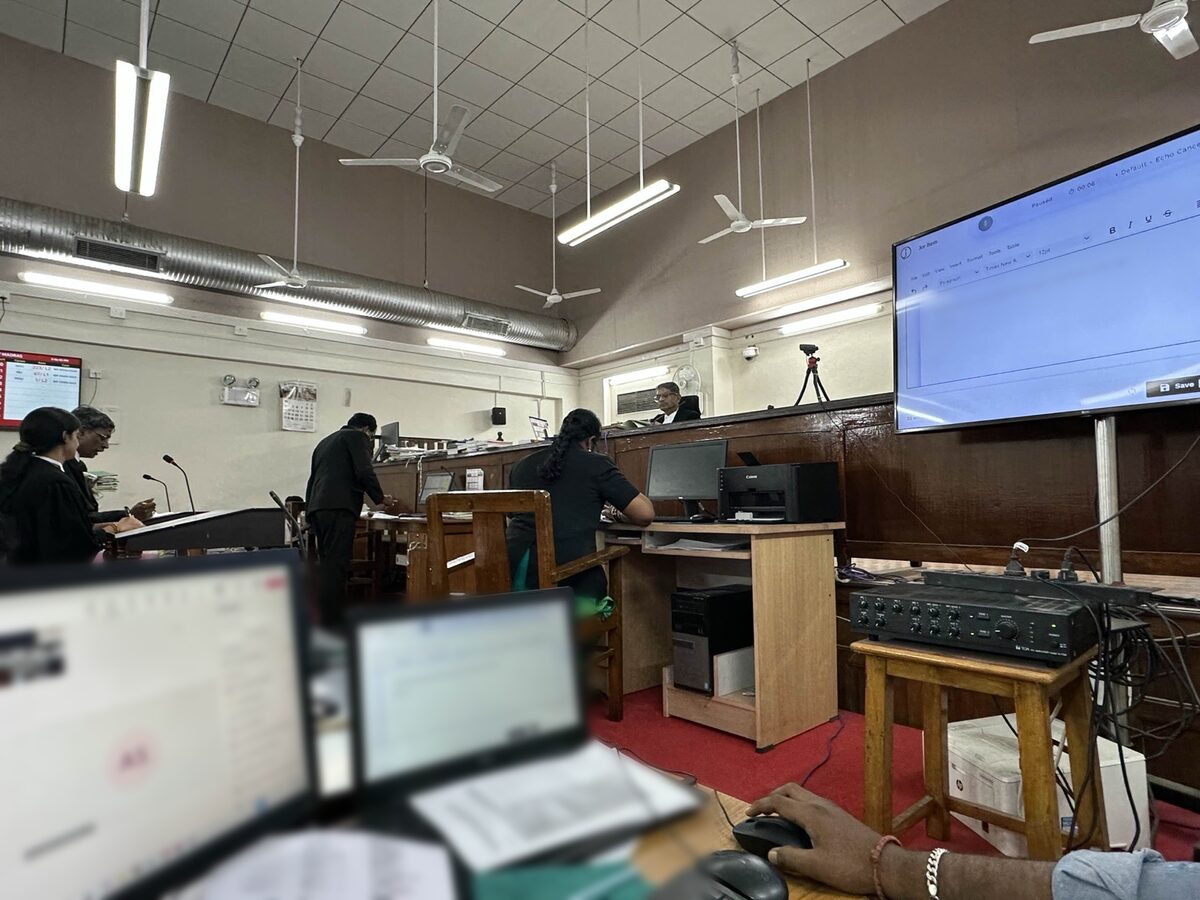
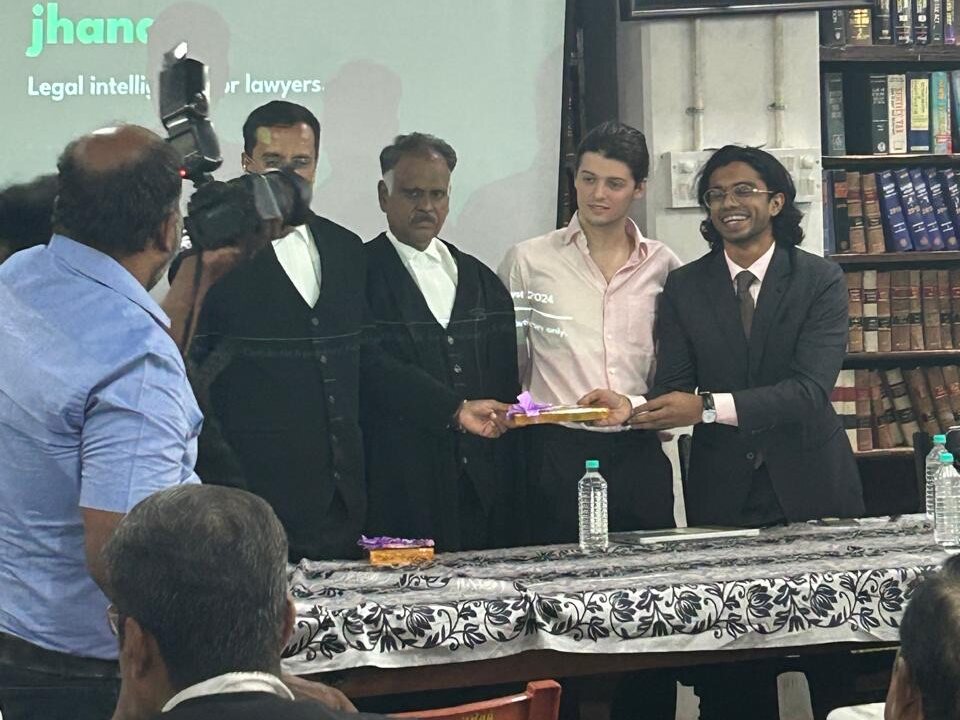
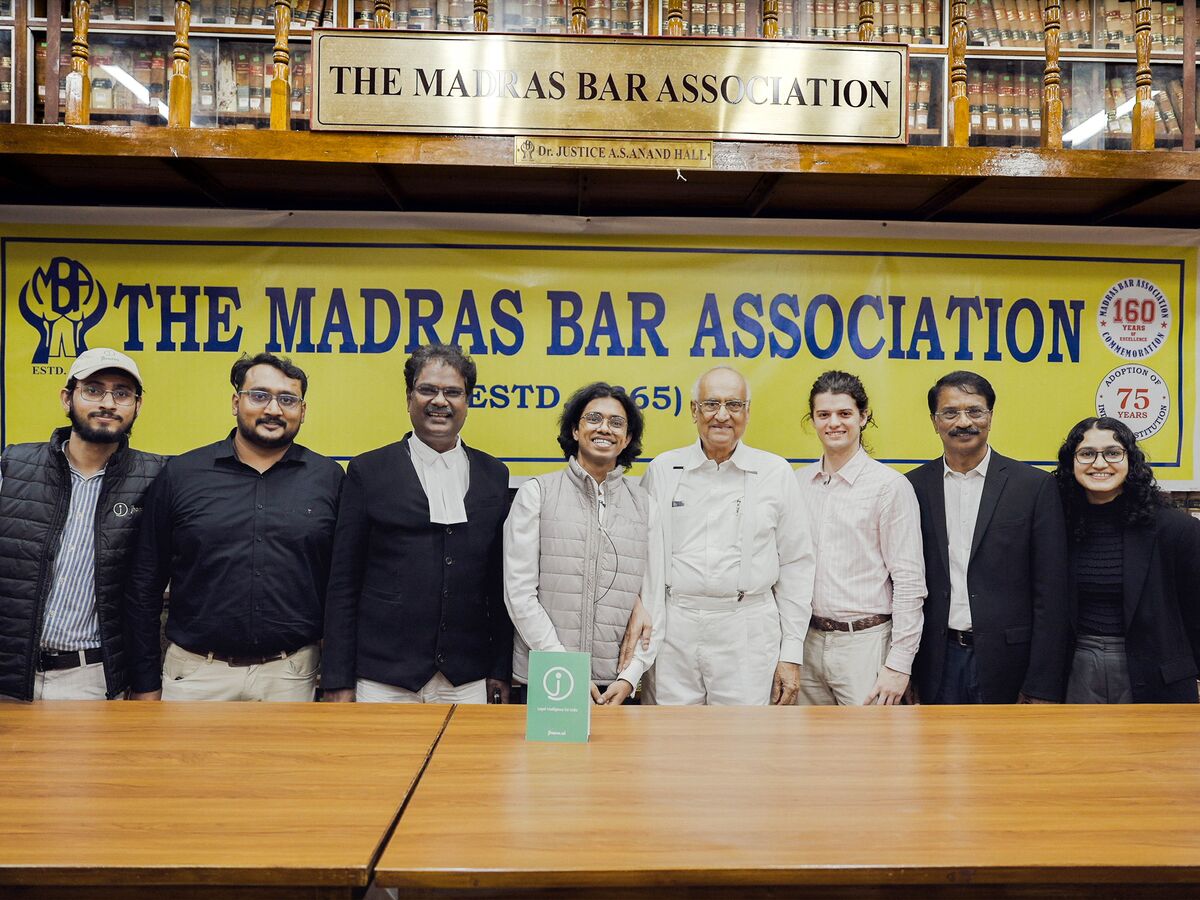
From November 2024 we built that pipeline with the Madras High Court’s IT registry for its digital reporter: a judgment PDF in, a reporter-style headnote, thematic summary, and key details out. The registry tested each version. In January 2025 it sent 50 judgments, which we returned with headnotes within a week; in February the IT Registrar and a judge of the court ran it live on long and complex recent judgments. On 16 and 17 February 2026 a test run completed 312 judgments, with median processing of 76 seconds and a peak of 141 an hour. In September 2026, for the court’s translation cell, we translated 5 Supreme Court judgments, 152 pages, into Tamil, and wrote headnotes in English and Tamil for 10 of the court’s own judgments. The tests were the court’s; so is the decision to launch. Alongside, we demonstrated Steno dictation to the court’s judges and held workshops with the Madras Bar Association and the Madras High Court Advocates Association.
We tested it blind in June 2025, against the best there was. Graduates and students of the National Law School read three headnotes for each judgment without knowing which was ours, which came from GPT-4o, then the state of the art, and which from the human editors of SCC, India’s best-known law reporter. They preferred ours to GPT-4o’s 73.1% of the time, and to the editors’ 58.2% of the time. Ours finished first 45% of the time, against 38% for SCC and 17% for GPT-4o: an Elo of 1173, to 1116 and 1000. On readability and enjoyability, the criteria that determine whether a lawyer actually uses a headnote, jhana significantly outperforms SCC; against GPT-4o, jhana dominates on all four criteria. By design, a human expert reviews 5 to 15% of headnotes. New judgments can be reported at a daily or weekly pace, outperforming the frequency of proprietary reporters. How a judgment becomes a headnote is drawn in The Making of a jhana Headnote.
As seen in