
130+ days on site with two High Courts going paperless.
High Court of Sikkim and High Court of Gujarat
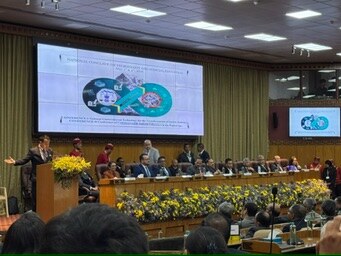

“In the past, distance for a litigant was not measured in kilometres but in days of travel, difficult terrain and uncertainty,” the Chief Justice of India said at Gangtok on 1 May 2026, the day he declared Sikkim India’s first paperless state judiciary. DAKSH estimates that productivity losses from court attendance amount to 0.48% of India’s GDP. Going paperless is the remedy, and how it is done decides whether it works. In June 2026 The Economist asked why India’s government can’t build a decent website; its answer, as ThePrint reported it, was a digital bureaucracy that tries to “reproduce paper processes in digital form rather than rethinking them altogether.” Our own argument for how courts should prepare is in Beyond Stare Decisis, first published in the National Law School of India Review in 2025.
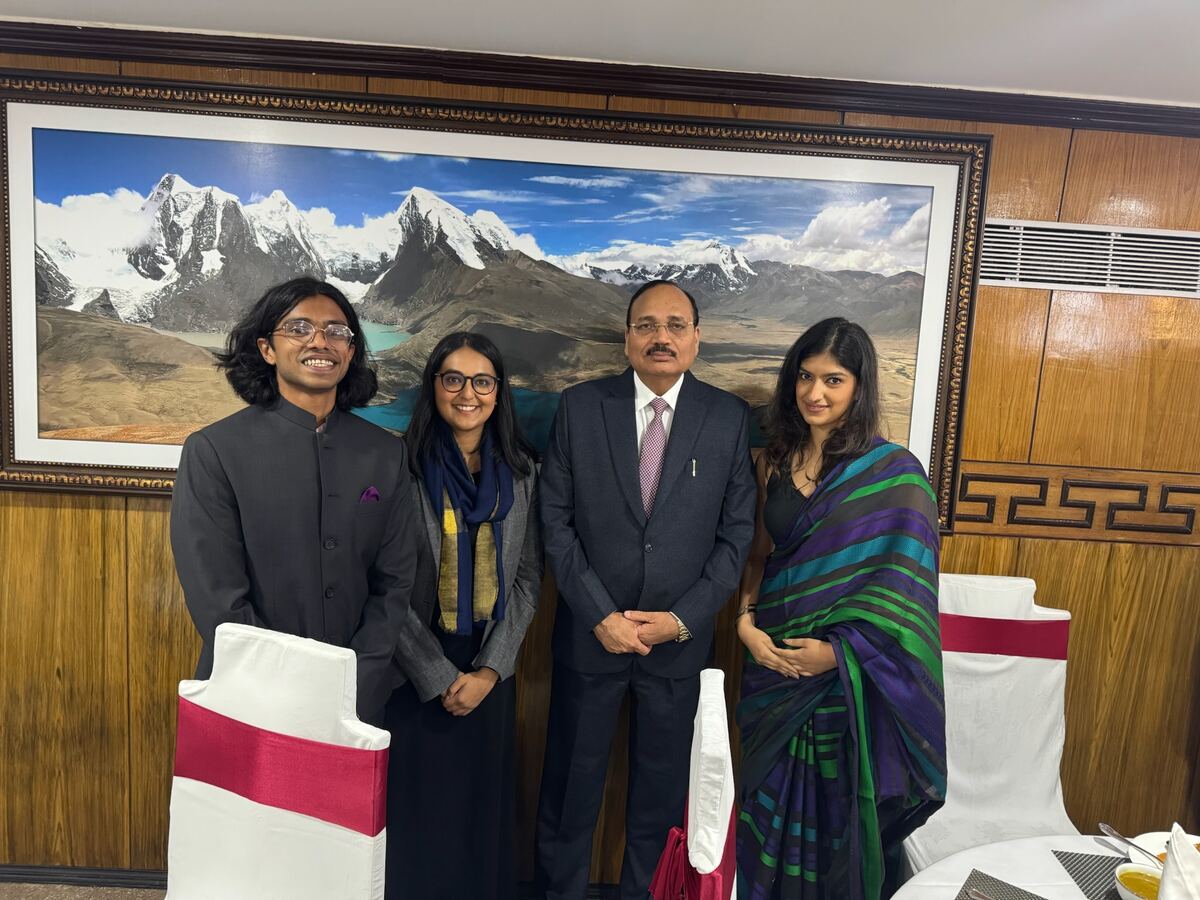
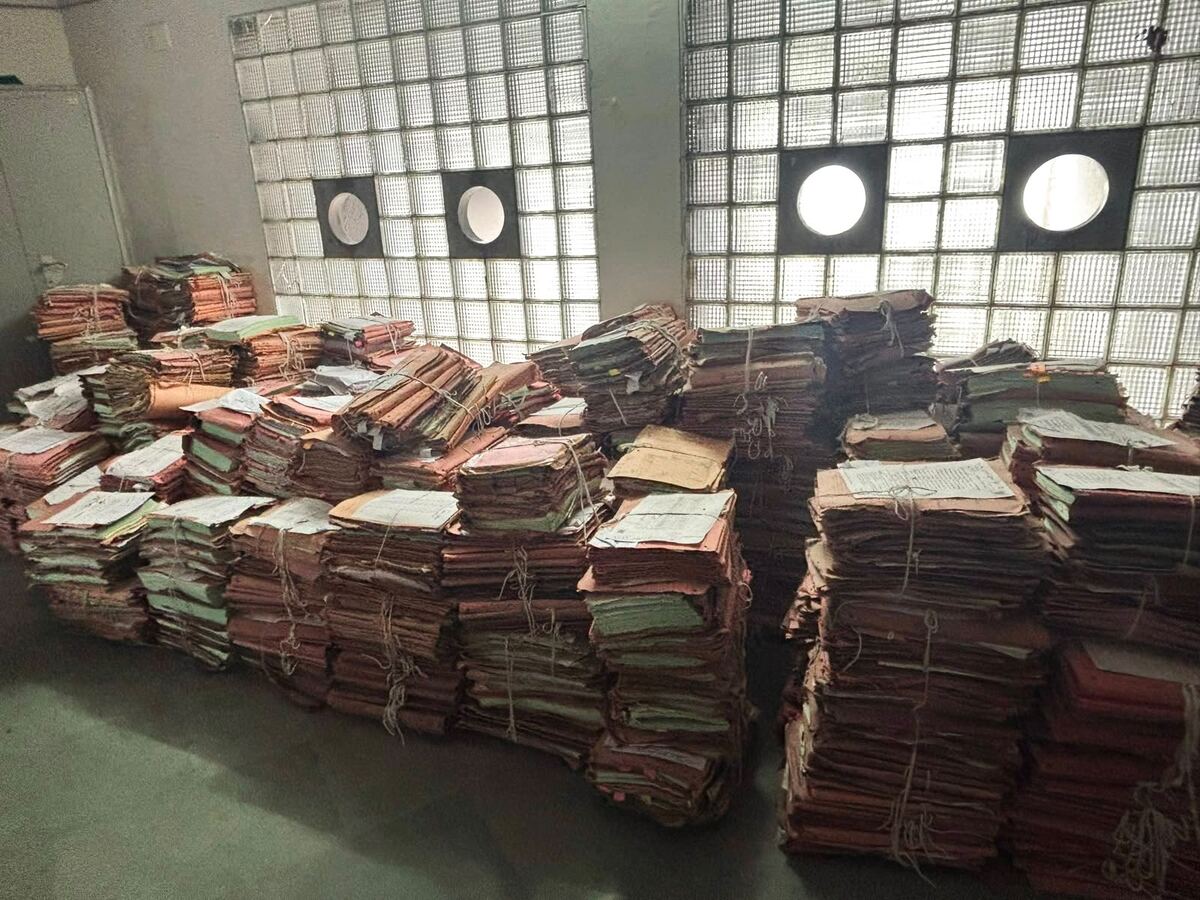
Sikkim was the right first court. Its High Court has three sanctioned judges, the smallest bench in India, and serves the country’s least populous state, 610,577 people at the 2011 census, so the whole system could be seen and tested end to end. From March 2026 we worked with the High Court as design consultant for its paperless program. The paper problem was plain in the fieldwork: weeks went to arguing over which papers were available, and a member of the court staff told us a dog had once eaten a paper. “A docket is meant to be the court’s memory; in practice, however, it is too often a filing cabinet that forgets,” Anya Batra of jhana wrote in Bar & Bench. The design question was how a file keeps its status, checks, and approvals once the paper is gone. “The aim is not to create high-tech courts for the sake of it, but to impact the lives of citizens,” the court’s Chief Justice, A. Muhamed Mustaque, said at the declaration.
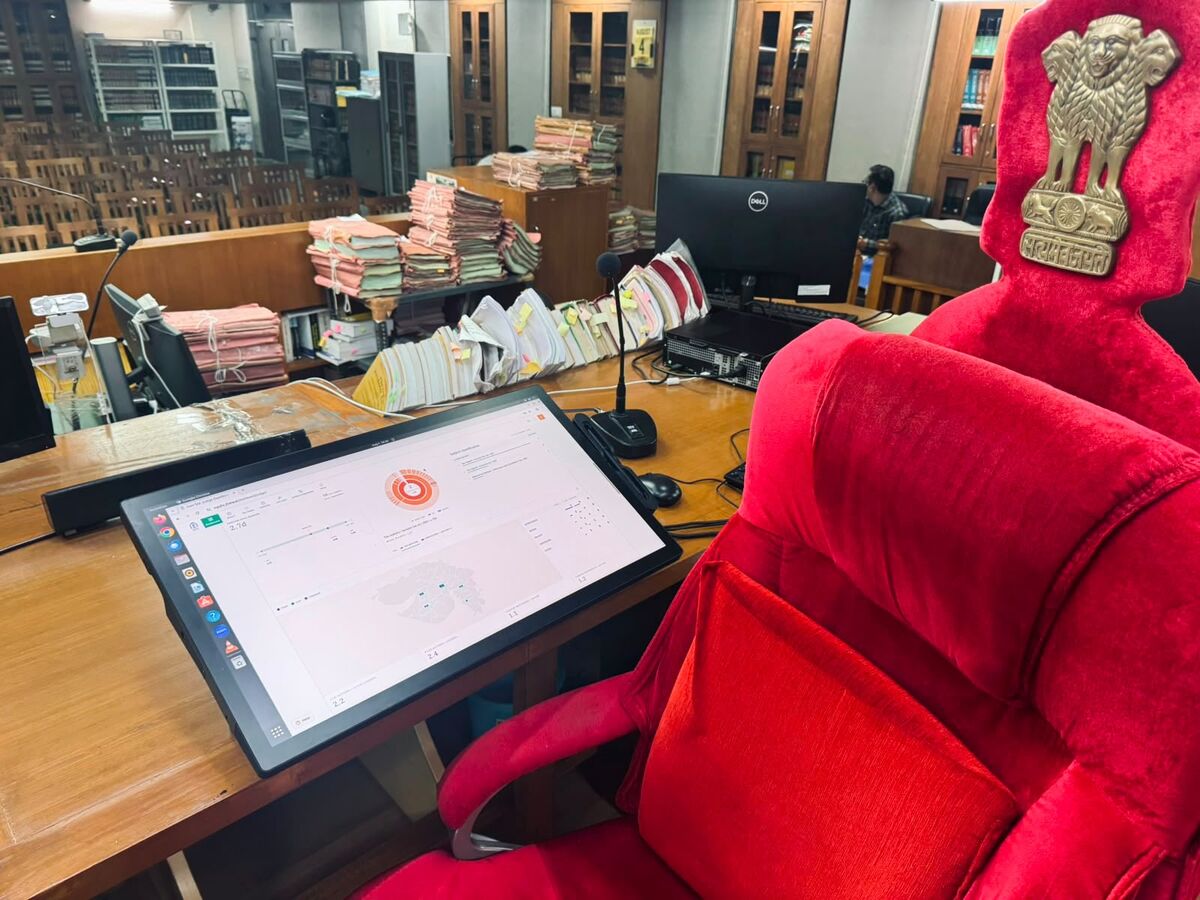
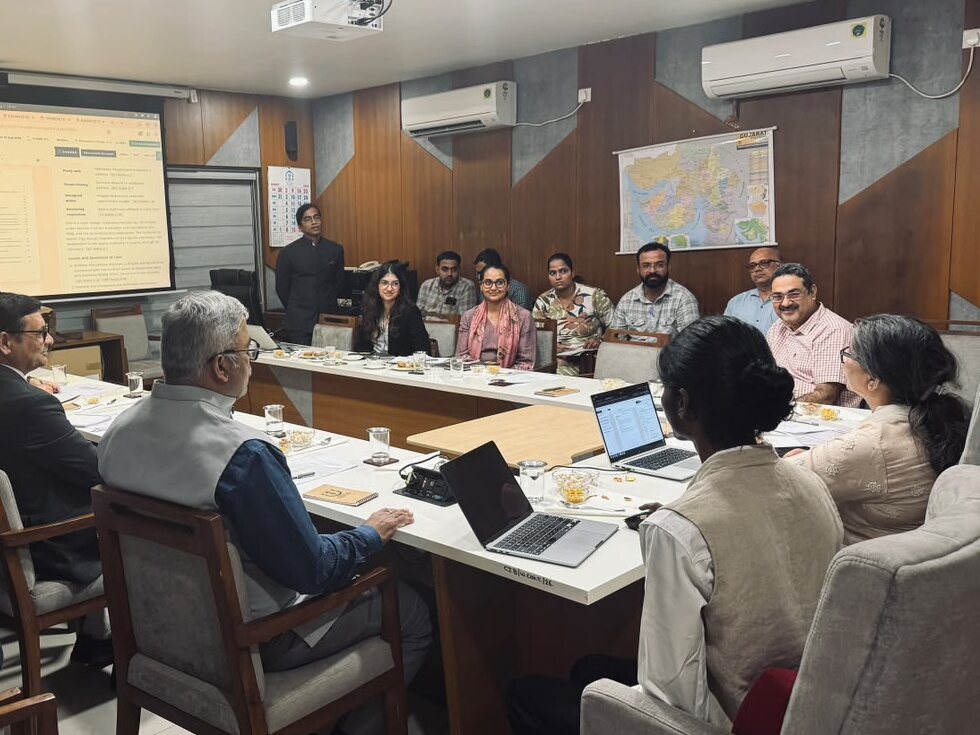
In May 2026 the High Court of Gujarat asked us to review its plan for a digital court. Both engagements started from jhana Courtroom, the filing scrutiny that runs at the High Court of Karnataka. Ten of us worked on site in Ahmedabad for about 100 days, interviewed 150+ registry staff, and compared the written procedure with how the work was done. We built a pilot, Saral, for selected tax and arbitration matters and tested it with the court’s staff on 150+ synthetic and about 25 real filings. Registry officers examined its findings beside the page each one came from and recorded their own decisions. We trained 350+ court staff and 50 lawyers. The pilot ran from May to August 2026.
A court cannot simply plug in a public model. In July 2026 Hugging Face, the hub from which most open models are downloaded, disclosed a breach in which cloud credentials and internal datasets were taken; in 2024 researchers had found about 100 models there that could run malicious code on the machine that loaded them. In October 2025 Deloitte Australia agreed to repay the final installment of a government contract worth about A$440,000 after its report was found to cite references that did not exist and a made-up quote from a Federal Court judgment. So the consulting covered security and sovereignty with the design. For Sikkim we planned for deployment inside the High Court’s own infrastructure, with the case files remaining the court’s property. In Gujarat the pilot went through adversarial red teaming with an outside specialist, was designed for data residency, and was kept model-agnostic, ready for sovereign, local deployment. In both designs, an officer of the court reviews, corrects, and approves what the system prepares. How we check a model’s work before a person does is on the Science page.
Sikkim was declared paperless on 1 May 2026, and the High Court of Gujarat inaugurated its paperless court project on 30 September 2026. We were design consultants to both. The milestones belong to the courts: their judges, registries, computer cells, and the lawyers of their bars, who changed how they file and appear. In a hill state, the president of the Bar Association of Sikkim said, digital access lets lawyers and litigants file cases and appear in court remotely.
“[T]he countless hours of discussion, deliberation and exchanges with the team proved invaluable. Those interactions enabled us to gain a much clearer understanding of our own requirements while also helping us identify at an early stage the practical bottlenecks and the possible solutions to address them.”
Hon’ble Mr. Justice Nikhil S. Kariel, High Court of Gujarat, at the inauguration of the court’s paperless court project, 30 September 2026
“Your team worked very, very hard. We are all very happy.”
Himanshu Parekh, Deputy Section Officer, High Court of Gujarat
As seen in